
Chrysanthèmes - 1907


Duration: 2:05
Views: 23
Submitted: 11 months ago
Submitted by:
Description:
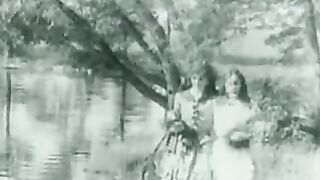
Directed by Gaston Velle for the Pathé-Frères studio, Chrysanthèmes (1907) is a breathtaking example of the "féerie" genre, a style of early cinema that prioritized aesthetic beauty, magical transformations, and poetic spectacle over traditional linear narrative. The film is less of a story and more of a visual meditation on the theme of floral metamorphosis, featuring a series of elegantly choreographed sequences where women emerge from within giant, blooming chrysanthemums or are themselves transformed into floral arrangements. This motif was a cornerstone of Art Nouveau, and the film serves as a moving extension of that artistic movement, blending the organic curves of nature with the technical precision of the camera. By utilizing the trope of the "flower-woman," Velle tapped into a popular Edwardian fascination with the delicate and the ephemeral, presenting the cinema as a digital conservatory where the laws of biology were replaced by the whims of the director.
The visual centerpiece of the film is its use of the Pathécolor stencil-tinting process, which was at its artistic zenith in 1907. Each frame was meticulously colored by hand-cut stencils, allowing the vibrant pinks, deep violets, and golden yellows of the chrysanthemums to pop against the more muted, theatrical backdrops. Velle, who brought his background as a stage magician to the screen, utilized seamless substitution splices and dissolves to make the dancers appear as if they were literally growing from the soil. The set design is quintessentially "fin de siècle," featuring ornate trellis-work and neoclassical pillars that frame the dancers, who perform with the stylized, rhythmic grace of the Belle Époque ballet. The cinematography remains fixed, creating a "proscenium arch" effect that invites the audience to treat the screen as a high-art window into a dreamworld where the distinction between the human form and the botanical world is joyfully blurred.
Chrysanthèmes is a significant artifact because it represents the moment when cinema began to move beyond mere documentation or crude comedy to embrace pure, abstract beauty. It was designed for an international audience that craved "prestige" shorts—films that could be shown in upscale music halls and theaters to demonstrate the sophisticated potential of the moving image. Furthermore, it highlights Gaston Velle’s unique contribution to the medium; while his contemporary Georges Méliès often focused on the grotesque or the celestial, Velle’s work was characterized by a delicate, feminine elegance that influenced the development of fashion and experimental film. Today, the film remains one of the most visually stunning survivors of the silent era, a vibrant "celluloid garden" that continues to enchant viewers with its kaleidoscopic color and its timeless celebration of grace and transformation.
The visual centerpiece of the film is its use of the Pathécolor stencil-tinting process, which was at its artistic zenith in 1907. Each frame was meticulously colored by hand-cut stencils, allowing the vibrant pinks, deep violets, and golden yellows of the chrysanthemums to pop against the more muted, theatrical backdrops. Velle, who brought his background as a stage magician to the screen, utilized seamless substitution splices and dissolves to make the dancers appear as if they were literally growing from the soil. The set design is quintessentially "fin de siècle," featuring ornate trellis-work and neoclassical pillars that frame the dancers, who perform with the stylized, rhythmic grace of the Belle Époque ballet. The cinematography remains fixed, creating a "proscenium arch" effect that invites the audience to treat the screen as a high-art window into a dreamworld where the distinction between the human form and the botanical world is joyfully blurred.
Chrysanthèmes is a significant artifact because it represents the moment when cinema began to move beyond mere documentation or crude comedy to embrace pure, abstract beauty. It was designed for an international audience that craved "prestige" shorts—films that could be shown in upscale music halls and theaters to demonstrate the sophisticated potential of the moving image. Furthermore, it highlights Gaston Velle’s unique contribution to the medium; while his contemporary Georges Méliès often focused on the grotesque or the celestial, Velle’s work was characterized by a delicate, feminine elegance that influenced the development of fashion and experimental film. Today, the film remains one of the most visually stunning survivors of the silent era, a vibrant "celluloid garden" that continues to enchant viewers with its kaleidoscopic color and its timeless celebration of grace and transformation.
Sponsored by:
Library of Congress
Categories:
General Audiences