
The Inner Circle - 1912


Duration: 23:56
Views: 29
Submitted: 11 months ago
Submitted by:
Description:
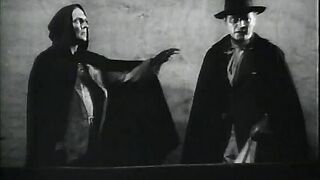
D.W. Griffith’s The Inner Circle, a 1912 Biograph production, serves as a dark and claustrophobic exploration of the "Black Hand" criminal underworld that occupied the American collective consciousness during the early 20th century. Moving away from his frequent pastoral romances, Griffith crafts a high-tension urban thriller centered on a secret society of Italian extortionists. The plot follows a widower who, out of desperation, joins this sinister "inner circle," only to find himself tasked with a bomb plot that threatens the lives of innocent people, including his own child. It is a stark, cynical look at how poverty and isolation can drive a man into the clutches of organized crime, providing a window into the immigrant anxieties of the era while maintaining the relentless pacing for which the director was known.
The film is a fascinating study in the use of restricted space to build psychological pressure. Much of the action takes place in shadowy, cramped interiors that mirror the moral entrapment of the protagonist. Griffith and his cinematographer, Billy Bitzer, utilize dramatic low-key lighting to emphasize the secrecy of the gang’s meetings, creating a visual language that feels like a precursor to the crime procedurals of the 1930s. The film’s editing is particularly effective during the climax; Griffith employs his signature cross-cutting to heighten the suspense, alternating between the ticking time bomb in the target's home and the frantic efforts of the father to intervene. This manipulation of time became a hallmark of the Biograph style, but here it is used with a specific, grim efficiency that emphasizes the lethality of the situation rather than just the thrill of the chase.
Historically, The Inner Circle is significant for its nuanced portrayal of a marginalized community. While it plays into the "Black Hand" tropes popular in the yellow journalism of the time, Griffith manages to inject a level of pathos into the lead character, portraying him as a victim of circumstance rather than a born villain. This moral complexity was a hallmark of the transition toward more sophisticated narrative cinema. The film also features a notable performance from Mary Pickford as a young Italian girl, showcasing her versatility in adapting to the grittier, more dramatic requirements of Griffith’s crime shorts. Ultimately, the film remains a potent example of how early cinema could tackle complex social themes through the lens of a suspense thriller, proving that the medium was already capable of delivering a visceral, emotionally resonant experience within a single-reel format.
The film is a fascinating study in the use of restricted space to build psychological pressure. Much of the action takes place in shadowy, cramped interiors that mirror the moral entrapment of the protagonist. Griffith and his cinematographer, Billy Bitzer, utilize dramatic low-key lighting to emphasize the secrecy of the gang’s meetings, creating a visual language that feels like a precursor to the crime procedurals of the 1930s. The film’s editing is particularly effective during the climax; Griffith employs his signature cross-cutting to heighten the suspense, alternating between the ticking time bomb in the target's home and the frantic efforts of the father to intervene. This manipulation of time became a hallmark of the Biograph style, but here it is used with a specific, grim efficiency that emphasizes the lethality of the situation rather than just the thrill of the chase.
Historically, The Inner Circle is significant for its nuanced portrayal of a marginalized community. While it plays into the "Black Hand" tropes popular in the yellow journalism of the time, Griffith manages to inject a level of pathos into the lead character, portraying him as a victim of circumstance rather than a born villain. This moral complexity was a hallmark of the transition toward more sophisticated narrative cinema. The film also features a notable performance from Mary Pickford as a young Italian girl, showcasing her versatility in adapting to the grittier, more dramatic requirements of Griffith’s crime shorts. Ultimately, the film remains a potent example of how early cinema could tackle complex social themes through the lens of a suspense thriller, proving that the medium was already capable of delivering a visceral, emotionally resonant experience within a single-reel format.
Sponsored by:
Library of Congress
Categories:
General Audiences