
Woman on the Run - 1950


Duration: 1:18:34
Views: 52
Submitted: 11 months ago
Submitted by:
Description:
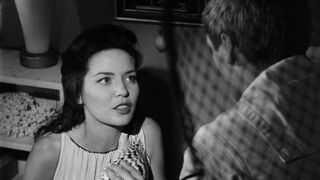
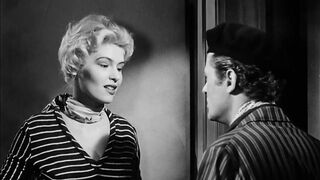
Emerging at the tail end of the classic noir cycle, the 1950 thriller Woman on the Run serves as a gritty, high-stakes masterwork of independent filmmaking that subverts the traditional "damsel in distress" trope. Directed by Norman Foster and produced by its star, Ann Sheridan, the film begins with a cynical bang when Frank Johnson witnesses a gangland execution while walking his dog. Instead of turning to the police for protection, Frank—a man disillusioned by his failing marriage and his own stalled life—chooses to vanish into the shadows of San Francisco. This sets the stage for a frantic search led not by the law, but by his estranged wife, Eleanor. Sheridan’s portrayal of Eleanor is a highlight of the era; she is sharp-tongued, weary, and initially indifferent to her husband's fate, but her journey through the city’s underbelly forces a raw re-evaluation of her relationship and her own resilience.
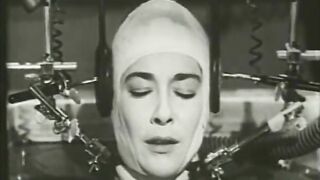
The film is a visual love letter to mid-century San Francisco, utilizing location shooting to create a sense of realism that studio backlots simply could not replicate. From the fog-drenched piers to the claustrophobic steepness of the city streets, the setting acts as a physical manifestation of Eleanor's mounting anxiety. The cinematography by Hal Mohr is exceptional, using the stark contrasts of noir lighting to hide a killer in plain sight while highlighting Eleanor’s isolation. As she teams up with a smooth-talking reporter, played by Dennis O'Keefe, the narrative builds a suffocating sense of dread, leading toward a climactic sequence at an oceanfront amusement park. The use of the "Laughing Sal" animatronic and the skeletal structure of a roller coaster provides a surreal, macabre backdrop for the final confrontation, blending the visceral thrills of a chase movie with the psychological depth of a character study.
What truly distinguishes Woman on the Run is its emotional maturity. It explores the idea that a marriage can be a site of profound loneliness, and that finding a lost spouse can also mean finding a lost version of oneself. The dialogue is peppered with the acerbic wit characteristic of Sheridan’s "Oomph Girl" persona, but it is grounded in a deep, post-war weariness. The supporting cast, including Robert Keith as the dogged Inspector Ferris, adds layers of procedural tension to the personal drama. For decades, the film was a "lost" classic due to rights issues and damaged negatives, but its restoration has revealed it to be one of the most tightly plotted and emotionally resonant noirs of the 1950s. It is a lean, mean, and deeply atmospheric piece of cinema that proves the most dangerous journeys are often the ones that bring us back to the people we thought we knew.
The film is a visual love letter to mid-century San Francisco, utilizing location shooting to create a sense of realism that studio backlots simply could not replicate. From the fog-drenched piers to the claustrophobic steepness of the city streets, the setting acts as a physical manifestation of Eleanor's mounting anxiety. The cinematography by Hal Mohr is exceptional, using the stark contrasts of noir lighting to hide a killer in plain sight while highlighting Eleanor’s isolation. As she teams up with a smooth-talking reporter, played by Dennis O'Keefe, the narrative builds a suffocating sense of dread, leading toward a climactic sequence at an oceanfront amusement park. The use of the "Laughing Sal" animatronic and the skeletal structure of a roller coaster provides a surreal, macabre backdrop for the final confrontation, blending the visceral thrills of a chase movie with the psychological depth of a character study.
What truly distinguishes Woman on the Run is its emotional maturity. It explores the idea that a marriage can be a site of profound loneliness, and that finding a lost spouse can also mean finding a lost version of oneself. The dialogue is peppered with the acerbic wit characteristic of Sheridan’s "Oomph Girl" persona, but it is grounded in a deep, post-war weariness. The supporting cast, including Robert Keith as the dogged Inspector Ferris, adds layers of procedural tension to the personal drama. For decades, the film was a "lost" classic due to rights issues and damaged negatives, but its restoration has revealed it to be one of the most tightly plotted and emotionally resonant noirs of the 1950s. It is a lean, mean, and deeply atmospheric piece of cinema that proves the most dangerous journeys are often the ones that bring us back to the people we thought we knew.
Sponsored by:
UCLA Film & Television Archive
Categories:
General Audiences