
Mysterious Dr. Fu Manchu - 1929


Duration: 1:21:32
Views: 52
Submitted: 11 months ago
Submitted by:
Description:
Directed by Rowland V. Lee, The Mysterious Dr. Fu Manchu (1929) is a pivotal artifact of cinematic history, marking the first time Sax Rohmer’s infamous "Yellow Peril" antagonist appeared in a feature-length sound production. Released by Paramount Pictures during the chaotic transition from silent to synchronized sound, the film stars Warner Oland as the titular doctor—a role that would define his career long before he became known for portraying Charlie Chan. The narrative reimagines Fu Manchu’s villainy not as mere chaotic evil, but as a calculated, vengeful response to the death of his wife and child during the Boxer Rebellion. This vengeful motivation gives the character a tragic, albeit dark, depth that distinguishes it from the more two-dimensional pulp caricatures of the era. The plot follows his elaborate attempts to destroy the Weymouth family, the British officers he deems responsible for his personal loss, blending elements of the Gothic thriller with the burgeoning tropes of the international spy genre.
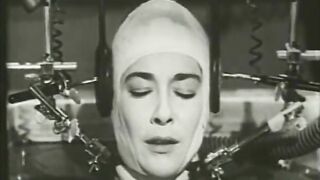
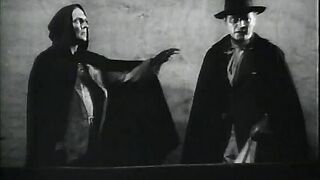
Visually, the film is a fascinating hybrid of silent-era artistry and the technical hurdles of early "talkies." Despite the bulky sound equipment of 1929, which often rendered films static, Rowland V. Lee manages to maintain a sense of atmospheric dread through moody lighting and intricate set designs. The film leans heavily into the "Old Dark House" aesthetic, utilizing secret passageways, elaborate laboratories, and sharp shadows to create a world that feels both archaic and dangerously modern. The cinematography emphasizes Fu Manchu’s perceived "otherness" through tight framing and dramatic low-angle shots, a technique that would become a staple for cinematic villains for decades to come. The production design reflects a Western-imagined "Orient," filled with opulent but menacing details that serve to heighten the film’s sense of mystery and exoticism.
From a cultural and historical perspective, The Mysterious Dr. Fu Manchu is a complex work that reflects the profound anxieties and prejudices of early 20th-century Western society. While the film’s racial politics and the practice of "yellowface" casting are deeply problematic by contemporary standards, the movie remains essential for understanding the evolution of the "super-villain" archetype. Warner Oland’s portrayal—measured, articulate, and ruthlessly intelligent—established the template for the sophisticated antagonist who uses science and intellect as weapons. This film also launched a successful franchise for Paramount, proving that audiences were hungry for recurring characters and serialized suspense. Today, it stands as a grim but technically proficient time capsule, showcasing the birth of a major pop-culture icon and the growing pains of a Hollywood struggling to find its voice in the age of sound.
Visually, the film is a fascinating hybrid of silent-era artistry and the technical hurdles of early "talkies." Despite the bulky sound equipment of 1929, which often rendered films static, Rowland V. Lee manages to maintain a sense of atmospheric dread through moody lighting and intricate set designs. The film leans heavily into the "Old Dark House" aesthetic, utilizing secret passageways, elaborate laboratories, and sharp shadows to create a world that feels both archaic and dangerously modern. The cinematography emphasizes Fu Manchu’s perceived "otherness" through tight framing and dramatic low-angle shots, a technique that would become a staple for cinematic villains for decades to come. The production design reflects a Western-imagined "Orient," filled with opulent but menacing details that serve to heighten the film’s sense of mystery and exoticism.
From a cultural and historical perspective, The Mysterious Dr. Fu Manchu is a complex work that reflects the profound anxieties and prejudices of early 20th-century Western society. While the film’s racial politics and the practice of "yellowface" casting are deeply problematic by contemporary standards, the movie remains essential for understanding the evolution of the "super-villain" archetype. Warner Oland’s portrayal—measured, articulate, and ruthlessly intelligent—established the template for the sophisticated antagonist who uses science and intellect as weapons. This film also launched a successful franchise for Paramount, proving that audiences were hungry for recurring characters and serialized suspense. Today, it stands as a grim but technically proficient time capsule, showcasing the birth of a major pop-culture icon and the growing pains of a Hollywood struggling to find its voice in the age of sound.
Categories:
General Audiences