
The Mystic - 1925


Duration: 1:07:24
Views: 28
Submitted: 11 months ago
Submitted by:
Description:
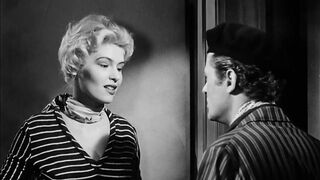
Tod Browning’s The Mystic, released in 1925, is a darkly atmospheric silent thriller that serves as a fascinating precursor to his later macabre masterpieces like Dracula and Freaks. Produced by Metro-Goldwyn-Mayer, the film stars Aileen Pringle as Zara, a Hungarian Roma woman with a genuine, if eerie, presence, and Conway Tearle as Michael Nash, a sophisticated American con artist. The narrative follows Nash as he discovers Zara in a traveling carnival and realizes that her uncanny abilities and striking looks can be exploited to swindle a wealthy, grieving American heiress. The film is less about the supernatural and more about the "craft" of the con, diving deep into the technicalities of fake séances, spiritualism, and the psychological manipulation of those desperate to contact the dead—a subject that fascinated 1920s audiences and skeptics like Harry Houdini.
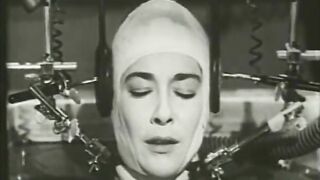
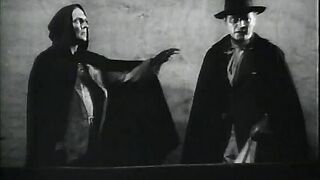
Visually, The Mystic is a triumph of European-influenced style filtered through the high production standards of a burgeoning MGM. Browning, who had a deep, personal history with the circus and carnival life, brings an authentic sense of grime and wonder to the early scenes set in the Hungarian camps. The costumes, designed by the legendary Romain de Tirtoff (Erté), are spectacular, particularly the avant-garde, almost alien-looking headdresses and gowns worn by Pringle. These sartorial choices elevate Zara from a simple "fortune teller" to a high-fashion occult icon, bridging the gap between ancient folklore and Art Deco modernism. The cinematography utilizes shadow and light to create a sense of unease, particularly during the séance sequences where "manifestations" are achieved through clever practical effects and double exposures, blurring the line between the trickery of the plot and the magic of the medium itself.
Historically and culturally, the film remains significant for its cynical take on the spiritualist movement that swept through the West following the trauma of World War I. Browning doesn't just show the séance; he pulls back the curtain to reveal the wires, hidden speakers, and practiced movements of the charlatans. Yet, despite its skepticism, the film maintains a "Browning-esque" fascination with the "othered" and the marginalized. Aileen Pringle’s performance is central to this, as she portrays Zara not as a villain, but as a woman caught between her loyalty to her culture and the corrupting influence of Western greed. While the film eventually leans into a traditional redemptive arc, its lasting impact lies in its moody, stylized exploration of the underworld and the theater of the occult. It stands as a sophisticated example of the mid-twenties silent drama, showcasing a director who was already a master of the strange and the shadowy.
Visually, The Mystic is a triumph of European-influenced style filtered through the high production standards of a burgeoning MGM. Browning, who had a deep, personal history with the circus and carnival life, brings an authentic sense of grime and wonder to the early scenes set in the Hungarian camps. The costumes, designed by the legendary Romain de Tirtoff (Erté), are spectacular, particularly the avant-garde, almost alien-looking headdresses and gowns worn by Pringle. These sartorial choices elevate Zara from a simple "fortune teller" to a high-fashion occult icon, bridging the gap between ancient folklore and Art Deco modernism. The cinematography utilizes shadow and light to create a sense of unease, particularly during the séance sequences where "manifestations" are achieved through clever practical effects and double exposures, blurring the line between the trickery of the plot and the magic of the medium itself.
Historically and culturally, the film remains significant for its cynical take on the spiritualist movement that swept through the West following the trauma of World War I. Browning doesn't just show the séance; he pulls back the curtain to reveal the wires, hidden speakers, and practiced movements of the charlatans. Yet, despite its skepticism, the film maintains a "Browning-esque" fascination with the "othered" and the marginalized. Aileen Pringle’s performance is central to this, as she portrays Zara not as a villain, but as a woman caught between her loyalty to her culture and the corrupting influence of Western greed. While the film eventually leans into a traditional redemptive arc, its lasting impact lies in its moody, stylized exploration of the underworld and the theater of the occult. It stands as a sophisticated example of the mid-twenties silent drama, showcasing a director who was already a master of the strange and the shadowy.
Categories:
General Audiences