
Decay - 2012


Duration: 1:16:07
Views: 59
Submitted: 13 hours ago
Submitted by:
Description:
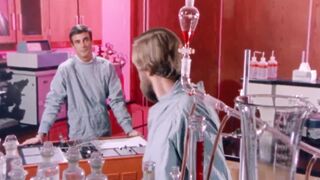
The 2012 film Decay is a fascinating intersection of high-energy horror and high-level physics, notable for being a feature-length zombie movie filmed entirely on location at CERN (the European Organization for Nuclear Research). Written and directed by Luke Thompson, then a doctoral student at the facility, the film was created on a microscopic budget of roughly £2,000 and utilized a cast and crew of actual physicists and researchers. The narrative centers on a group of scientists who find themselves trapped in the maintenance tunnels of the Large Hadron Collider (LHC) after a malfunction releases "Higgs bosons" that transform their colleagues into mindless, flesh-eating ghouls. While the premise is intentionally tongue-in-cheek, the film uses its unique setting to provide an authentic, claustrophobic atmosphere that no Hollywood soundstage could replicate.
Visually, the film benefits immensely from the brutalist architecture and labyrinthine corridors of the real-world laboratory. The sprawling, cold, and industrial environment of the LHC tunnels provides a natural sense of isolation and dread, grounding the supernatural elements of the "zombie apocalypse" in a recognizable, albeit heightened, scientific reality. Despite its low-budget origins, the cinematography makes excellent use of practical lighting and the sheer scale of the machinery to create a professional-grade aesthetic. The film also sneaks in a fair amount of genuine scientific terminology and "inside baseball" humor about life at CERN, which serves to distinguish it from the flood of generic zombie media that dominated the early 2010s.
The performances by the non-professional cast are surprisingly effective, bringing a weary, intellectual grit to the standard "survivor" archetypes. Because the actors were real scientists, there is an inherent naturalism to their dialogue and their interactions with the equipment, even as they are forced to fend off their undead peers with makeshift weapons. The film’s pacing is steady, building from a tense "bottle movie" in the tunnels to a more expansive exploration of the surface world's collapse. While the special effects and makeup are modest, they are utilized with a creative economy that prioritizes suspense over gore, echoing the "less is more" philosophy of classic horror cinema.
Ultimately, Decay stands as a brilliant example of community-driven filmmaking in the digital age. By releasing the film for free under a Creative Commons license, Thompson and his team ensured it reached a global audience, eventually amassing millions of views. It remains a testament to the creativity of the scientific community and a reminder that even in the pursuit of the universe's greatest mysteries, there is always room for a little bit of B-movie fun. It is a rare "science-horror" film that is actually made by scientists, making it an essential cult watch for nerds and horror fans alike.
Visually, the film benefits immensely from the brutalist architecture and labyrinthine corridors of the real-world laboratory. The sprawling, cold, and industrial environment of the LHC tunnels provides a natural sense of isolation and dread, grounding the supernatural elements of the "zombie apocalypse" in a recognizable, albeit heightened, scientific reality. Despite its low-budget origins, the cinematography makes excellent use of practical lighting and the sheer scale of the machinery to create a professional-grade aesthetic. The film also sneaks in a fair amount of genuine scientific terminology and "inside baseball" humor about life at CERN, which serves to distinguish it from the flood of generic zombie media that dominated the early 2010s.
The performances by the non-professional cast are surprisingly effective, bringing a weary, intellectual grit to the standard "survivor" archetypes. Because the actors were real scientists, there is an inherent naturalism to their dialogue and their interactions with the equipment, even as they are forced to fend off their undead peers with makeshift weapons. The film’s pacing is steady, building from a tense "bottle movie" in the tunnels to a more expansive exploration of the surface world's collapse. While the special effects and makeup are modest, they are utilized with a creative economy that prioritizes suspense over gore, echoing the "less is more" philosophy of classic horror cinema.
Ultimately, Decay stands as a brilliant example of community-driven filmmaking in the digital age. By releasing the film for free under a Creative Commons license, Thompson and his team ensured it reached a global audience, eventually amassing millions of views. It remains a testament to the creativity of the scientific community and a reminder that even in the pursuit of the universe's greatest mysteries, there is always room for a little bit of B-movie fun. It is a rare "science-horror" film that is actually made by scientists, making it an essential cult watch for nerds and horror fans alike.
Categories:
General Audiences