
The Last of the Belles - 1974


Duration: 1:38:13
Views: 48
Submitted: 12 hours ago
Submitted by:
Description:
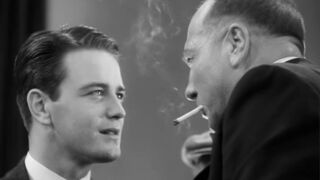
The 1974 television film The Last of the Belles is a sophisticated, meta-fictional drama that explores the blurred lines between an artist's life and their creations, specifically focusing on the legendary F. Scott Fitzgerald. Directed by George Schaefer, the film employs a unique "story-within-a-story" structure. It features Richard Chamberlain as a middle-aged Fitzgerald struggling with alcoholism and a fading career in the 1930s while trying to write the short story that gives the film its title. As he writes, the film transports the audience back to 1919, dramatizing the events of the story itself, which serves as a thinly veiled reflection of his own whirlwind courtship with Zelda Sayre. This dual-narrative approach allows the film to comment on how writers commodify their personal traumas and romances to fuel their professional output.
The "past" segment of the film stars Blythe Danner as Zelda (renamed Ailie Calhoun in the story) and David Huffman as the young soldier, Andy McKenna. Danner is radiant and mercurial, perfectly capturing the "Southern Belle" archetype that both enchanted and haunted Fitzgerald throughout his life. Her performance highlights the intoxicating yet destructive nature of the Jazz Age spirit—a mix of defiant youth, social climbing, and an underlying sense of impending doom. The contrast between the sun-drenched, romanticized atmosphere of the 1919 sequences and the dim, claustrophobic, and regret-filled world of the 1930s creates a poignant visual dialogue about the passage of time and the weight of lost potential.
Richard Chamberlain provides a sensitive, weary portrayal of the elder Fitzgerald, moving beyond the "glamour boy" image to show a man literally haunted by the ghosts of his own prose. His interactions with Susan Sarandon, who plays a young woman in the "real" world of the 30s, provide a grounded perspective on how the world had moved on from the decadent ideals of the 1920s. The film suggests that Fitzgerald’s greatest tragedy was his inability to live in the present, as he was perpetually caught between the painful reality of his failing health and the sparkling, idealized memories of his youth. The screenplay, written by James Costigan, is literate and melancholic, leaning heavily into the lyrical prose style that defined Fitzgerald’s own work.
Ultimately, The Last of the Belles is a deeply moving tribute to the creative process and a mournful look at the "Lost Generation." By framing the narrative through the lens of a writer struggling to capture a vanishing era, the film avoids the pitfalls of a standard biopic. It understands that for a writer like Fitzgerald, the fiction was often more "real" than the life itself. While it was produced for television, its high production values and top-tier performances give it the feel of a prestige theatrical release. It remains a essential watch for those interested in the Fitzgerald legacy, offering a thoughtful meditation on beauty, social standing, and the high cost of turning one's soul into literature.
The "past" segment of the film stars Blythe Danner as Zelda (renamed Ailie Calhoun in the story) and David Huffman as the young soldier, Andy McKenna. Danner is radiant and mercurial, perfectly capturing the "Southern Belle" archetype that both enchanted and haunted Fitzgerald throughout his life. Her performance highlights the intoxicating yet destructive nature of the Jazz Age spirit—a mix of defiant youth, social climbing, and an underlying sense of impending doom. The contrast between the sun-drenched, romanticized atmosphere of the 1919 sequences and the dim, claustrophobic, and regret-filled world of the 1930s creates a poignant visual dialogue about the passage of time and the weight of lost potential.
Richard Chamberlain provides a sensitive, weary portrayal of the elder Fitzgerald, moving beyond the "glamour boy" image to show a man literally haunted by the ghosts of his own prose. His interactions with Susan Sarandon, who plays a young woman in the "real" world of the 30s, provide a grounded perspective on how the world had moved on from the decadent ideals of the 1920s. The film suggests that Fitzgerald’s greatest tragedy was his inability to live in the present, as he was perpetually caught between the painful reality of his failing health and the sparkling, idealized memories of his youth. The screenplay, written by James Costigan, is literate and melancholic, leaning heavily into the lyrical prose style that defined Fitzgerald’s own work.
Ultimately, The Last of the Belles is a deeply moving tribute to the creative process and a mournful look at the "Lost Generation." By framing the narrative through the lens of a writer struggling to capture a vanishing era, the film avoids the pitfalls of a standard biopic. It understands that for a writer like Fitzgerald, the fiction was often more "real" than the life itself. While it was produced for television, its high production values and top-tier performances give it the feel of a prestige theatrical release. It remains a essential watch for those interested in the Fitzgerald legacy, offering a thoughtful meditation on beauty, social standing, and the high cost of turning one's soul into literature.
Categories:
General Audiences