
Charlie Chaplin - The Cure - 1917


Duration: 24:58
Views: 92
Submitted: 1 week ago
Submitted by:
Description:
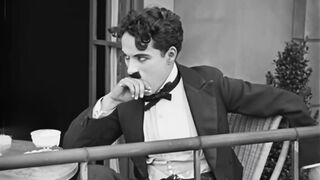
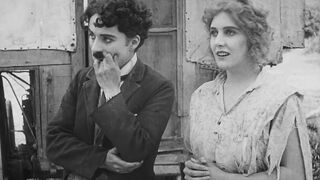
Released in 1917 during his celebrated tenure at Mutual Film Corporation, The Cure is a frantic, high-energy masterpiece that showcases Charlie Chaplin’s unparalleled ability to find comedy in the most unlikely of places—in this case, a health spa for the recovering alcoholic. Chaplin plays a wealthy, inebriated dandy who arrives at the sanitarium not to seek a genuine "cure," but rather to continue his bender in a more scenic environment, bringing along a massive trunk overflowing with liquor. The film is a departure from the "Little Tramp" persona in its purest form, as Chaplin portrays a more affluent character, yet he retains the same mischievous spirit and physical grace that defined his career. This setting provides a rich playground for Chaplin to satirize the health crazes of the early 20th century while delivering some of the most iconic slapstick sequences of the silent era.
The film's comedic brilliance is centered on two primary locations: the revolving door and the massage table. The revolving door sequence is a masterclass in timing and mechanical comedy, as Chaplin’s character becomes perpetually trapped, entangled with his massive rival, played by the towering Eric Campbell. This routine highlights Chaplin’s "balletic" approach to humor, where every near-miss and collision is choreographed with the precision of a professional dance. Later, the scene in the massage room offers a different kind of physical wit; as Chaplin watches Campbell’s character being brutally pummeled by a sadistic masseur, his horrified reactions and frantic attempts to avoid a similar fate turn a mundane clinical procedure into a hilarious spectacle of terror. These scenes demonstrate Chaplin's evolving directorial eye, as he uses the camera to frame physical space in a way that maximizes the absurdity of the situation.
A turning point in the plot occurs when a disgruntled employee dumps Chaplin's entire liquor stash into the spa's mineral well. What follows is a riotous depiction of mass intoxication as the unsuspecting patients, who believe they are drinking "healing" waters, become progressively more unhinged. This allows for a chaotic, ensemble-style comedy that was somewhat rare in Chaplin’s earlier, more self-contained shorts. Amidst the drunken revelry, Chaplin maintains a sweet, albeit wobbly, romantic subplot with Edna Purviance, proving that even in his most absurdist comedies, he felt the need to ground the story with a hint of human connection. The juxtaposition of the "refined" spa guests losing their dignity with Chaplin’s character—who is finally sober just as everyone else gets drunk—is a brilliant subversion of the film's title.
Ultimately, The Cure remains one of the most popular films in the Chaplin canon because it is a pure, distilled shot of comedic energy. By 1917, Chaplin had reached a level of technical and creative confidence that allowed him to push the boundaries of slapstick without losing the audience's empathy. The film is notable for its bright, airy cinematography and its relentless pace, rarely letting a moment pass without a gag or a clever bit of character business. While it may not possess the social weight of The Immigrant or the pathos of The Kid, it stands as a testament to Chaplin's genius for transforming a simple concept into a sophisticated, multi-layered comedy. Over a century later, the image of Chaplin wobbling through the revolving door remains a definitive symbol of the silent era’s enduring power to entertain and delight.
The film's comedic brilliance is centered on two primary locations: the revolving door and the massage table. The revolving door sequence is a masterclass in timing and mechanical comedy, as Chaplin’s character becomes perpetually trapped, entangled with his massive rival, played by the towering Eric Campbell. This routine highlights Chaplin’s "balletic" approach to humor, where every near-miss and collision is choreographed with the precision of a professional dance. Later, the scene in the massage room offers a different kind of physical wit; as Chaplin watches Campbell’s character being brutally pummeled by a sadistic masseur, his horrified reactions and frantic attempts to avoid a similar fate turn a mundane clinical procedure into a hilarious spectacle of terror. These scenes demonstrate Chaplin's evolving directorial eye, as he uses the camera to frame physical space in a way that maximizes the absurdity of the situation.
A turning point in the plot occurs when a disgruntled employee dumps Chaplin's entire liquor stash into the spa's mineral well. What follows is a riotous depiction of mass intoxication as the unsuspecting patients, who believe they are drinking "healing" waters, become progressively more unhinged. This allows for a chaotic, ensemble-style comedy that was somewhat rare in Chaplin’s earlier, more self-contained shorts. Amidst the drunken revelry, Chaplin maintains a sweet, albeit wobbly, romantic subplot with Edna Purviance, proving that even in his most absurdist comedies, he felt the need to ground the story with a hint of human connection. The juxtaposition of the "refined" spa guests losing their dignity with Chaplin’s character—who is finally sober just as everyone else gets drunk—is a brilliant subversion of the film's title.
Ultimately, The Cure remains one of the most popular films in the Chaplin canon because it is a pure, distilled shot of comedic energy. By 1917, Chaplin had reached a level of technical and creative confidence that allowed him to push the boundaries of slapstick without losing the audience's empathy. The film is notable for its bright, airy cinematography and its relentless pace, rarely letting a moment pass without a gag or a clever bit of character business. While it may not possess the social weight of The Immigrant or the pathos of The Kid, it stands as a testament to Chaplin's genius for transforming a simple concept into a sophisticated, multi-layered comedy. Over a century later, the image of Chaplin wobbling through the revolving door remains a definitive symbol of the silent era’s enduring power to entertain and delight.
Categories:
General Audiences