
Charlie Chaplin - The Bank - 1915


Duration: 25:10
Views: 60
Submitted: 3 days ago
Submitted by:
Description:
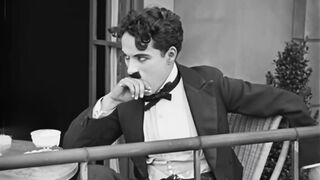
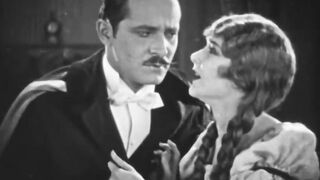
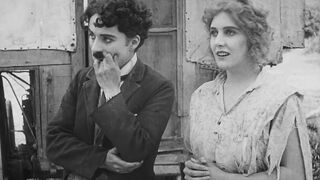
In The Bank, released in 1915 during his tenure at the Essanay Film Manufacturing Company, Charlie Chaplin delivers a pivotal performance that serves as a vital bridge between the chaotic, purely physical slapstick of his Keystone days and the deeply poignant, narrative-driven comedy that would later define his global stardom. In this short, Chaplin plays a humble bank janitor who, despite his lowly status and the constant ridicule of his more "dignified" coworkers, harbors an intense and unrequited love for a beautiful stenographer, played by the ever-reliable Edna Purviance. The film is structurally divided into two distinct halves: a frantic, gag-heavy opening set in the bank's lobby and a surprisingly dramatic, high-stakes conclusion. The first half is a masterclass in domestic slapstick, as the Little Tramp battles with mops, buckets, and slippery floors, turning the mundane task of cleaning into a rhythmic, almost dance-like display of clumsiness and grace. His interactions with his fellow janitor, portrayed by Billy Armstrong, provide a classic comedic foil, allowing Chaplin to showcase his impeccable timing as he inadvertently thwarts the efforts of those around him while maintaining an air of aloof, misplaced confidence.
However, it is the film’s second act and its famous "twist" ending that truly elevate The Bank in the Chaplin canon. When a group of robbers attempts to heist the bank and kidnaps the stenographer, the Tramp suddenly transforms into a courageous hero, single-handedly defeating the criminals and winning the affection of his beloved. Yet, in a bold move that foreshadows the emotional complexity of The Kid and City Lights, Chaplin reveals that this heroic triumph was merely a daydream. The film ends with the Tramp waking up in the grimy basement, clutching a bundle of wastepaper he thought was flowers, only to realize that he is still just a lonely janitor and the woman of his dreams is actually in love with another man. This ending was a radical departure for film comedy at the time; it introduced the concept of "pathos," forcing the audience to feel genuine sorrow for a character they had just spent fifteen minutes laughing at. By blending the aspirational fantasies of the working class with the harsh reality of their daily lives, Chaplin infused the character of the Little Tramp with a soul. Technically, the film also shows Chaplin's growing sophistication behind the camera, utilizing more complex sets and a clearer sense of geography within the bank to facilitate the chase sequences. The Bank remains a crucial document of an artist in transition, proving that Chaplin was no longer satisfied with just getting a laugh—he wanted to capture the bittersweet nature of the human experience itself.
However, it is the film’s second act and its famous "twist" ending that truly elevate The Bank in the Chaplin canon. When a group of robbers attempts to heist the bank and kidnaps the stenographer, the Tramp suddenly transforms into a courageous hero, single-handedly defeating the criminals and winning the affection of his beloved. Yet, in a bold move that foreshadows the emotional complexity of The Kid and City Lights, Chaplin reveals that this heroic triumph was merely a daydream. The film ends with the Tramp waking up in the grimy basement, clutching a bundle of wastepaper he thought was flowers, only to realize that he is still just a lonely janitor and the woman of his dreams is actually in love with another man. This ending was a radical departure for film comedy at the time; it introduced the concept of "pathos," forcing the audience to feel genuine sorrow for a character they had just spent fifteen minutes laughing at. By blending the aspirational fantasies of the working class with the harsh reality of their daily lives, Chaplin infused the character of the Little Tramp with a soul. Technically, the film also shows Chaplin's growing sophistication behind the camera, utilizing more complex sets and a clearer sense of geography within the bank to facilitate the chase sequences. The Bank remains a crucial document of an artist in transition, proving that Chaplin was no longer satisfied with just getting a laugh—he wanted to capture the bittersweet nature of the human experience itself.
Categories:
General Audiences