
My Favorite Brunette - 1947


Duration: 1:27:25
Views: 87
Submitted: 1 week ago
Submitted by:
Description:
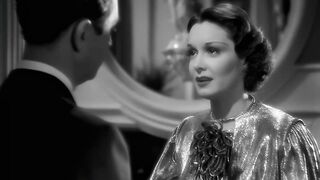
Elliott Nugent’s My Favorite Brunette is a sharp, delightfully meta-parody of the hard-boiled film noir genre that was saturating Hollywood in the late 1940s. Starring Bob Hope at the height of his comedic powers, the film cleverly subverts the tropes established by classics like The Maltese Falcon and The Big Sleep. Hope plays Ronnie Jackson, a mundane baby photographer with delusions of grandeur who desperately wishes he were a cynical, tough-talking private eye like his office neighbor, Sam McCloud (cameoed by Alan Ladd). When a mysterious and beautiful "damsel in distress," Carlotta Montay (Dorothy Lamour), mistakes him for the real investigator, Ronnie eagerly dives into a complex web of international intrigue, kidnapping, and murder. The film succeeds because it doesn't just mock the noir aesthetic; it inhabits it with atmospheric cinematography and a genuine sense of stakes, allowing Hope’s cowardly, wisecracking persona to clash hilariously against a backdrop of genuine danger.
The chemistry between Bob Hope and Dorothy Lamour is effortless, refined by their many "Road to..." collaborations. Lamour plays the straight-faced femme fatale with perfect poise, providing the necessary anchor for Hope’s relentless barrage of one-liners and physical comedy. However, the film’s secret weapons are its villains, played by noir stalwarts Peter Lorre and Charles Dingle. Lorre, in particular, is a joy to watch as the knife-wielding Kismet, essentially paroling his own sinister screen image with a wink to the audience. The contrast between Lorre’s quiet, menacing presence and Hope’s frantic, babbling desperation creates some of the film's most enduring comedic tension. This was a hallmark of Hope's best work: placing a fundamentally modern, neurotic character into a rigid, traditional genre and watching the sparks fly as he breaks the fourth wall and deconstructs the hero's journey.
Visually, the film utilizes the high-contrast lighting and shadow-drenched sets typical of the genre, which makes the comedic subversion even more effective. One of the standout sequences involves Ronnie being institutionalized in a sanatorium filled with eccentric characters, a plot point that allows Hope to lean into his talent for frantic, verbal sparring. The framing of the story—told in flashback as Ronnie awaits execution on death row—mimics the fatalistic structure of Double Indemnity, yet ensures the audience remains in on the joke. The script is tight and moves at a brisk pace, rarely letting a gag overstay its welcome. While the mystery plot itself is intentionally convoluted and somewhat secondary to the comedy, it provides enough momentum to keep the stakes feeling real.
In the broader context of Bob Hope’s filmography, My Favorite Brunette is often considered his finest solo outing. It strikes a rare balance between genuine suspense and satirical wit, never veering too far into mindless slapstick. By poking fun at the self-seriousness of the "tough guy" detective, the film remains a timeless piece of entertainment that appeals to fans of both comedy and classic noir. It serves as a reminder that the most effective parodies are those that deeply understand and respect the source material they are skewering. With its clever cameos, iconic villains, and Hope’s impeccable comic timing, the film remains a polished and highly rewatchable gem from the golden age of the Hollywood studio system.
The chemistry between Bob Hope and Dorothy Lamour is effortless, refined by their many "Road to..." collaborations. Lamour plays the straight-faced femme fatale with perfect poise, providing the necessary anchor for Hope’s relentless barrage of one-liners and physical comedy. However, the film’s secret weapons are its villains, played by noir stalwarts Peter Lorre and Charles Dingle. Lorre, in particular, is a joy to watch as the knife-wielding Kismet, essentially paroling his own sinister screen image with a wink to the audience. The contrast between Lorre’s quiet, menacing presence and Hope’s frantic, babbling desperation creates some of the film's most enduring comedic tension. This was a hallmark of Hope's best work: placing a fundamentally modern, neurotic character into a rigid, traditional genre and watching the sparks fly as he breaks the fourth wall and deconstructs the hero's journey.
Visually, the film utilizes the high-contrast lighting and shadow-drenched sets typical of the genre, which makes the comedic subversion even more effective. One of the standout sequences involves Ronnie being institutionalized in a sanatorium filled with eccentric characters, a plot point that allows Hope to lean into his talent for frantic, verbal sparring. The framing of the story—told in flashback as Ronnie awaits execution on death row—mimics the fatalistic structure of Double Indemnity, yet ensures the audience remains in on the joke. The script is tight and moves at a brisk pace, rarely letting a gag overstay its welcome. While the mystery plot itself is intentionally convoluted and somewhat secondary to the comedy, it provides enough momentum to keep the stakes feeling real.
In the broader context of Bob Hope’s filmography, My Favorite Brunette is often considered his finest solo outing. It strikes a rare balance between genuine suspense and satirical wit, never veering too far into mindless slapstick. By poking fun at the self-seriousness of the "tough guy" detective, the film remains a timeless piece of entertainment that appeals to fans of both comedy and classic noir. It serves as a reminder that the most effective parodies are those that deeply understand and respect the source material they are skewering. With its clever cameos, iconic villains, and Hope’s impeccable comic timing, the film remains a polished and highly rewatchable gem from the golden age of the Hollywood studio system.
Categories:
General Audiences