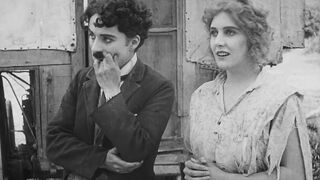

Charlie Chaplin - The Kid - 1921


Duration: 52:03
Views: 84
Submitted: 1 week ago
Submitted by:
Description:
With the 1921 release of The Kid, Charlie Chaplin shattered the boundaries of what a motion picture comedy could achieve, marking his triumphant debut as a feature-film director. The film’s opening title card famously promises "a picture with a smile—and perhaps, a tear," and it delivers on that vow with a profound emotional depth that was previously unseen in the slapstick genre. The story follows the Little Tramp as he discovers an abandoned infant in an alleyway; after a series of hilarious, reluctant attempts to pass the baby off to others, he takes the child under his wing. Five years later, the two have formed a tight-knit, albeit impoverished, family unit, operating a charmingly dishonest window-repair scheme where the boy breaks windows for the Tramp to "fix." This narrative shift toward domesticity allowed Chaplin to explore the complexities of fatherhood and the resilience of the human spirit in the face of crushing poverty.
The heart of the film lies in the extraordinary chemistry between Chaplin and young Jackie Coogan, whose performance remains one of the greatest by a child actor in cinematic history. Coogan’s ability to mirror Chaplin’s iconic mannerisms—the shrugs, the cocky tilts of the head, and the weary sighs—creates a believable sense of kinship that grounds the film's more sentimental moments. The most harrowing sequence of the film, and arguably of Chaplin’s entire career, occurs when social workers arrive to forcibly take the child away to an orphanage. The visceral, frantic desperation in Chaplin’s performance as he leaps across rooftops to reclaim the crying boy transcends silent comedy, venturing into the realm of raw, universal tragedy. This scene proved that Chaplin could manipulate an audience's heartstrings just as effectively as their funny bones, solidifying the "Chaplinesque" blend of pathos and humor.
Visually and technically, The Kid is a masterpiece of Victorian-influenced urban realism, reflecting Chaplin's own Dickensian childhood in London. The grimy alleys and cramped garrets are depicted with a stark authenticity that makes the moments of warmth and playfulness between the father and son feel even more precious. Chaplin also experiments with more avant-garde elements, most notably in the "Dreamland" sequence toward the end of the film. In this dream, the slum is transformed into a floral paradise populated by angels, a surrealist touch that provides a psychological window into the Tramp’s longing for peace and redemption. While some critics of the time found the sequence a bit jarring, it serves as an early example of Chaplin’s willingness to break reality to serve the emotional truth of his characters.
Ultimately, The Kid was a massive gamble that paid off, proving to the industry that audiences would embrace a comedy that didn't shy away from social issues or genuine sorrow. It elevated the Little Tramp from a popular caricature to a deeply human symbol of hope and perseverance. By investing so much of his own personal history and emotional vulnerability into the project, Chaplin created a timeless work of art that feels as vital today as it did a century ago. The film didn't just make Chaplin a superstar; it changed the DNA of cinema, teaching future filmmakers that the most enduring laughter is often born from the most profound pain. It remains a definitive landmark, marking the moment when the "clown" officially became an auteur.
The heart of the film lies in the extraordinary chemistry between Chaplin and young Jackie Coogan, whose performance remains one of the greatest by a child actor in cinematic history. Coogan’s ability to mirror Chaplin’s iconic mannerisms—the shrugs, the cocky tilts of the head, and the weary sighs—creates a believable sense of kinship that grounds the film's more sentimental moments. The most harrowing sequence of the film, and arguably of Chaplin’s entire career, occurs when social workers arrive to forcibly take the child away to an orphanage. The visceral, frantic desperation in Chaplin’s performance as he leaps across rooftops to reclaim the crying boy transcends silent comedy, venturing into the realm of raw, universal tragedy. This scene proved that Chaplin could manipulate an audience's heartstrings just as effectively as their funny bones, solidifying the "Chaplinesque" blend of pathos and humor.
Visually and technically, The Kid is a masterpiece of Victorian-influenced urban realism, reflecting Chaplin's own Dickensian childhood in London. The grimy alleys and cramped garrets are depicted with a stark authenticity that makes the moments of warmth and playfulness between the father and son feel even more precious. Chaplin also experiments with more avant-garde elements, most notably in the "Dreamland" sequence toward the end of the film. In this dream, the slum is transformed into a floral paradise populated by angels, a surrealist touch that provides a psychological window into the Tramp’s longing for peace and redemption. While some critics of the time found the sequence a bit jarring, it serves as an early example of Chaplin’s willingness to break reality to serve the emotional truth of his characters.
Ultimately, The Kid was a massive gamble that paid off, proving to the industry that audiences would embrace a comedy that didn't shy away from social issues or genuine sorrow. It elevated the Little Tramp from a popular caricature to a deeply human symbol of hope and perseverance. By investing so much of his own personal history and emotional vulnerability into the project, Chaplin created a timeless work of art that feels as vital today as it did a century ago. The film didn't just make Chaplin a superstar; it changed the DNA of cinema, teaching future filmmakers that the most enduring laughter is often born from the most profound pain. It remains a definitive landmark, marking the moment when the "clown" officially became an auteur.
Categories:
General Audiences