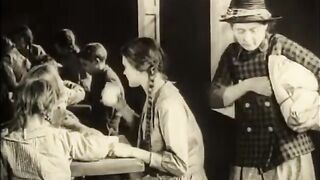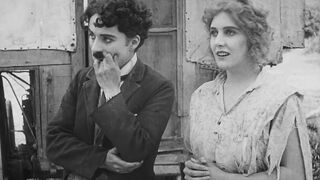

Charlie Chaplin - Easy Street - 1917


Duration: 25:39
Views: 62
Submitted: 1 week ago
Submitted by:
Description:
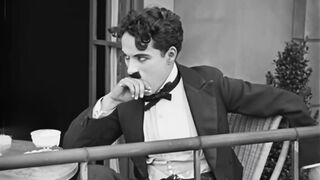
The technical growth Chaplin displayed during his Mutual era is perhaps the most fascinating aspect of his career, as it represents the precise moment he moved from being a mere performer to a cinematic architect. In Easy Street, his directorial confidence is evident in the way he utilized the "T-shaped" street set to create a genuine sense of depth and urban claustrophobia, allowing the camera to capture action across multiple planes rather than just in a flat, stage-like perspective. This period saw him perfecting the "balletic" style of comedy, where every movement was calculated for maximum efficiency and grace, turning a standard street brawl into a highly choreographed dance of survival. By taking full control over the editing and pacing, Chaplin began to understand that the space between the gags was just as important as the gags themselves, using silence and stillness to build tension before the inevitable explosion of slapstick. This technical evolution provided the sturdy foundation he needed to support the increasingly heavy social themes he was beginning to explore, essentially bridging the gap between the frantic energy of his early shorts and the sophisticated storytelling of his later feature-length masterpieces.
At the same time, the way Chaplin wove serious social commentary into his slapstick during this period is equally compelling, as it fundamentally changed the DNA of film comedy. In Easy Street, he doesn't just use the slums as a backdrop for jokes; he depicts a world of drug addiction, starvation, and domestic violence with a starkness that was quite radical for 1917. The Little Tramp’s transition from a petty thief to a badge-wearing reformer serves as a satirical look at how authority often fails to address the root causes of poverty, even as it attempts to police the symptoms. By finding humor in the dark corners of the industrial city, Chaplin proved that comedy could be a powerful tool for empathy, allowing audiences to laugh at the absurdity of the "forgotten man's" struggle without losing sight of his dignity. This delicate balance of pathos and humor became his signature, transforming the clown into a social critic who could lampoon the elite while humanizing the marginalized. This shift toward a more socially conscious narrative style ensured that his films remained relevant far beyond their initial theatrical runs, as they tapped into universal truths about the human condition that still resonate today.
At the same time, the way Chaplin wove serious social commentary into his slapstick during this period is equally compelling, as it fundamentally changed the DNA of film comedy. In Easy Street, he doesn't just use the slums as a backdrop for jokes; he depicts a world of drug addiction, starvation, and domestic violence with a starkness that was quite radical for 1917. The Little Tramp’s transition from a petty thief to a badge-wearing reformer serves as a satirical look at how authority often fails to address the root causes of poverty, even as it attempts to police the symptoms. By finding humor in the dark corners of the industrial city, Chaplin proved that comedy could be a powerful tool for empathy, allowing audiences to laugh at the absurdity of the "forgotten man's" struggle without losing sight of his dignity. This delicate balance of pathos and humor became his signature, transforming the clown into a social critic who could lampoon the elite while humanizing the marginalized. This shift toward a more socially conscious narrative style ensured that his films remained relevant far beyond their initial theatrical runs, as they tapped into universal truths about the human condition that still resonate today.
Categories:
General Audiences