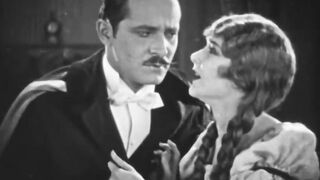

The Doorway to Hell - 1930


Duration: 1:17:39
Views: 46
Submitted: 18 hours ago
Submitted by:
Description:
Archie Mayo’s 1930 production, The Doorway to Hell, serves as a fascinating and gritty precursor to the massive gangster epics that would define the decade, released just months before The Public Enemy transformed the genre forever. The film stars Lew Ayres as Louie Ricarno, a young, organized, and strangely sophisticated mobster who manages to unite the warring factions of the underworld into a single, profit-driven syndicate. Ricarno is a departure from the "thug" archetype; he is a man who enjoys the finer things, attempts to retire to Florida to practice his golf swing, and genuinely desires to leave the "racket" behind. This early attempt to humanize a criminal protagonist and explore the impossibility of escaping a violent past provides the film with a psychological weight that was quite advanced for the early sound era. Ayres brings a boyish, almost tragic sincerity to the role, making his inevitable descent back into the cycle of violence feel earned rather than merely procedural.
A significant point of historical interest in the film is the supporting performance of James Cagney in only his second film role. Playing Mileaway, Ricarno’s loyal but street-wise second-in-command, Cagney radiates a jittery, high-voltage energy that threatens to steal every scene he is in. Even in this early stage, his trademark staccato delivery and physical intensity are fully formed, providing a sharp contrast to Ayres’ more restrained performance. It is easy to see why Warner Bros. executives quickly realized that Cagney was destined for lead roles; he possesses a natural "tough guy" charisma that feels dangerous and authentic. The dynamic between the two men—one trying to go straight and the other deeply entrenched in the loyalty of the streets—serves as the emotional backbone of the narrative, highlighting the themes of betrayal and the "code" of the underworld.
Visually, the film leans into the "Pre-Code" aesthetic, offering a bleak and cynical view of the legal system and the police. The cinematography utilizes the stark shadows of urban back alleys and the cold, sterile interiors of Ricarno’s penthouse to emphasize his isolation. The film’s title refers to the grim inevitability of the gangster life, suggesting that once the "doorway" is entered, there is no exit but death. The climactic sequences are notably dark, avoiding the romanticized "blaze of glory" endings that would later become common. Instead, it opts for a sense of cold, inescapable fate. While the film’s pacing occasionally suffers from the technical limitations of early talkies, the sharp dialogue and the powerhouse presence of Cagney make it an essential watch for fans of classic crime cinema. It remains a vital link in the evolution of the Hollywood gangster, proving that the genre was already grappling with complex questions of morality and redemption long before it became a cinematic staple.
A significant point of historical interest in the film is the supporting performance of James Cagney in only his second film role. Playing Mileaway, Ricarno’s loyal but street-wise second-in-command, Cagney radiates a jittery, high-voltage energy that threatens to steal every scene he is in. Even in this early stage, his trademark staccato delivery and physical intensity are fully formed, providing a sharp contrast to Ayres’ more restrained performance. It is easy to see why Warner Bros. executives quickly realized that Cagney was destined for lead roles; he possesses a natural "tough guy" charisma that feels dangerous and authentic. The dynamic between the two men—one trying to go straight and the other deeply entrenched in the loyalty of the streets—serves as the emotional backbone of the narrative, highlighting the themes of betrayal and the "code" of the underworld.
Visually, the film leans into the "Pre-Code" aesthetic, offering a bleak and cynical view of the legal system and the police. The cinematography utilizes the stark shadows of urban back alleys and the cold, sterile interiors of Ricarno’s penthouse to emphasize his isolation. The film’s title refers to the grim inevitability of the gangster life, suggesting that once the "doorway" is entered, there is no exit but death. The climactic sequences are notably dark, avoiding the romanticized "blaze of glory" endings that would later become common. Instead, it opts for a sense of cold, inescapable fate. While the film’s pacing occasionally suffers from the technical limitations of early talkies, the sharp dialogue and the powerhouse presence of Cagney make it an essential watch for fans of classic crime cinema. It remains a vital link in the evolution of the Hollywood gangster, proving that the genre was already grappling with complex questions of morality and redemption long before it became a cinematic staple.
Categories:
General Audiences