
Laserblast - 1978


Duration: 1:22:28
Views: 19
Submitted: 5 hours ago
Submitted by:
Description:
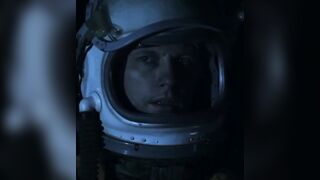
Produced by Charles Band and directed by Michael Rae, Laserblast (1978) is a quintessential piece of low-budget, late-seventies science fiction that has earned a permanent spot in the annals of cult cinema, largely due to its featured role on Mystery Science Theater 3000. The film follows Billy Duncan, a lonely, bullied teenager in a dusty desert town who discovers a discarded extraterrestrial laser cannon and a strange metallic pendant. As Billy begins to use the weapon to seek revenge on his tormentors—including a pair of obnoxious cops and some local bullies—the pendant begins to physically and mentally mutate him into a green-skinned, monstrous being. The film is a fascinating, if somewhat disjointed, exploration of the "power corrupts" trope, filtered through the lens of a drive-in creature feature and fueled by the era's post-Star Wars obsession with space technology.
The film's most notable technical achievement is the stop-motion animation used to bring the alien creatures to life. Created by the legendary David Allen, the reptilian extraterrestrials who are hunting for the lost weapon are surprisingly expressive and possess a tactile charm that stands out against the film's otherwise grounded, gritty aesthetic. These sequences provide the film with its most memorable visual moments, showcasing the handcrafted artistry of pre-CGI special effects. The alien designs, combined with the practical explosions of Billy’s "laser" rampages, give the movie a visceral quality that compensates for its relatively slow pacing and thin character development. The weapon itself, a bulky arm-cannon, remains an iconic piece of 70s sci-fi prop design, symbolizing the destructive wish-fulfillment at the heart of the story.
Underneath the sci-fi trappings, Laserblast serves as a bleak snapshot of suburban alienation. The film spends a significant amount of time capturing the aimless, sun-scorched lives of its teenage characters, creating an atmosphere of boredom and resentment that makes Billy’s eventual descent into madness feel somewhat inevitable. Lead actor Kim Milford brings a brooding, James Dean-lite energy to the role, effectively portraying Billy's transition from a sympathetic victim to a cold-blooded aggressor. The film also features a memorable cameo by Roddy McDowall as a local doctor, adding a touch of veteran gravitas to the production. The score, a heavy, synthesizer-driven soundtrack by Joel Goldsmith and Richard Band, perfectly complements the film's psychedelic and increasingly dark tone as Billy loses his humanity to the alien technology.
Ultimately, Laserblast is a film defined by its contradictions: it is a slow-burn character study interrupted by explosive bursts of laser-fire and stop-motion monsters. While it may lack the narrative polish of big-budget contemporaries, its unique blend of gritty 1970s realism and imaginative sci-fi elements have ensured its longevity among genre enthusiasts. It captures a specific moment in independent filmmaking where creativity and practical effects were used to stretch a limited budget into something truly otherworldly. Whether viewed as a cautionary tale about the dangers of unchecked power or simply as a nostalgic blast of disco-era sci-fi, it remains a quintessential example of the "B-movie" spirit, proving that you don't need a massive studio to create a lasting cinematic vision.
The film's most notable technical achievement is the stop-motion animation used to bring the alien creatures to life. Created by the legendary David Allen, the reptilian extraterrestrials who are hunting for the lost weapon are surprisingly expressive and possess a tactile charm that stands out against the film's otherwise grounded, gritty aesthetic. These sequences provide the film with its most memorable visual moments, showcasing the handcrafted artistry of pre-CGI special effects. The alien designs, combined with the practical explosions of Billy’s "laser" rampages, give the movie a visceral quality that compensates for its relatively slow pacing and thin character development. The weapon itself, a bulky arm-cannon, remains an iconic piece of 70s sci-fi prop design, symbolizing the destructive wish-fulfillment at the heart of the story.
Underneath the sci-fi trappings, Laserblast serves as a bleak snapshot of suburban alienation. The film spends a significant amount of time capturing the aimless, sun-scorched lives of its teenage characters, creating an atmosphere of boredom and resentment that makes Billy’s eventual descent into madness feel somewhat inevitable. Lead actor Kim Milford brings a brooding, James Dean-lite energy to the role, effectively portraying Billy's transition from a sympathetic victim to a cold-blooded aggressor. The film also features a memorable cameo by Roddy McDowall as a local doctor, adding a touch of veteran gravitas to the production. The score, a heavy, synthesizer-driven soundtrack by Joel Goldsmith and Richard Band, perfectly complements the film's psychedelic and increasingly dark tone as Billy loses his humanity to the alien technology.
Ultimately, Laserblast is a film defined by its contradictions: it is a slow-burn character study interrupted by explosive bursts of laser-fire and stop-motion monsters. While it may lack the narrative polish of big-budget contemporaries, its unique blend of gritty 1970s realism and imaginative sci-fi elements have ensured its longevity among genre enthusiasts. It captures a specific moment in independent filmmaking where creativity and practical effects were used to stretch a limited budget into something truly otherworldly. Whether viewed as a cautionary tale about the dangers of unchecked power or simply as a nostalgic blast of disco-era sci-fi, it remains a quintessential example of the "B-movie" spirit, proving that you don't need a massive studio to create a lasting cinematic vision.
Categories:
General Audiences