
The Walking Dead - 1936


Duration: 1:05:21
Views: 1.4K
Submitted: 11 months ago
Submitted by:
Description:
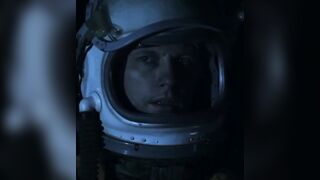
Michael Curtiz’s The Walking Dead (1936) is a fascinating, genre-blurring entry in the Warner Bros. catalog that successfully marries the gritty realism of a 1930s gangster film with the atmospheric dread of a classic Universal horror movie. Starring the legendary Boris Karloff in one of his most soulful performances, the film tells the story of John Ellman, a down-on-his-luck pianist who is framed for murder by a ruthless racketeering syndicate and subsequently executed in the electric chair. However, in a quintessential sci-fi twist, he is brought back to life by a visionary scientist, Dr. Evan Beaumont (Edmund Gwenn), using advanced electrical equipment. While the setup suggests a Frankenstein-esque romp, the film quickly pivots into a somber, supernatural revenge thriller that explores the metaphysical weight of the soul and the inevitability of divine justice.
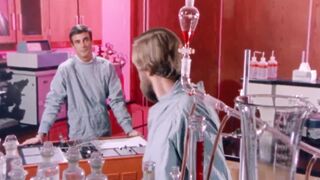
What sets this film apart from its contemporaries is its sophisticated direction and Karloff’s nuanced acting. Karloff, fresh off his success as the Frankenstein monster, plays Ellman with a tragic, ethereal quality; post-resurrection, he is a man caught between two worlds, possessing a haunting, white-streaked mane and a vacant yet knowing stare. He doesn't actively hunt his enemies with physical violence; instead, his mere presence—a silent, accusing specter—drives the conspirators to their doom through their own mounting paranoia and accidental mishaps. Curtiz, who would later direct Casablanca, utilizes his trademark mastery of shadows and dynamic camera movement to create a moody, rain-slicked world that feels both grounded and supernatural. The laboratory sequence, filled with humming machinery and arcing electricity, remains a high-water mark for mid-30s production design.
Thematically, The Walking Dead is surprisingly deep, touching on the fallibility of the legal system and the ethics of "playing God" with medical science. Unlike many horror films of the era that treat the resurrected as mindless monsters, Ellman is depicted as a celestial witness, a man who has "seen" something on the other side that he cannot articulate. This sense of cosmic mystery gives the film a poetic layer that elevates it above standard B-movie fare. The supporting cast, including a young Ricardo Cortez as a slick villain, provides a sharp contrast to Ellman’s ghostly stillness. Ultimately, the film serves as a perfect showcase for Karloff’s range and Curtiz’s stylistic versatility, offering a lean, 66-minute meditation on guilt and redemption that remains strikingly effective and visually arresting nearly a century later.
What sets this film apart from its contemporaries is its sophisticated direction and Karloff’s nuanced acting. Karloff, fresh off his success as the Frankenstein monster, plays Ellman with a tragic, ethereal quality; post-resurrection, he is a man caught between two worlds, possessing a haunting, white-streaked mane and a vacant yet knowing stare. He doesn't actively hunt his enemies with physical violence; instead, his mere presence—a silent, accusing specter—drives the conspirators to their doom through their own mounting paranoia and accidental mishaps. Curtiz, who would later direct Casablanca, utilizes his trademark mastery of shadows and dynamic camera movement to create a moody, rain-slicked world that feels both grounded and supernatural. The laboratory sequence, filled with humming machinery and arcing electricity, remains a high-water mark for mid-30s production design.
Thematically, The Walking Dead is surprisingly deep, touching on the fallibility of the legal system and the ethics of "playing God" with medical science. Unlike many horror films of the era that treat the resurrected as mindless monsters, Ellman is depicted as a celestial witness, a man who has "seen" something on the other side that he cannot articulate. This sense of cosmic mystery gives the film a poetic layer that elevates it above standard B-movie fare. The supporting cast, including a young Ricardo Cortez as a slick villain, provides a sharp contrast to Ellman’s ghostly stillness. Ultimately, the film serves as a perfect showcase for Karloff’s range and Curtiz’s stylistic versatility, offering a lean, 66-minute meditation on guilt and redemption that remains strikingly effective and visually arresting nearly a century later.
Categories:
General Audiences