
Anatomy of a Psycho - 1961


Duration: 1:13:47
Views: 1.6K
Submitted: 11 months ago
Submitted by:
Description:
Anatomy of a Psycho (1961) is a gritty, low-budget psychological thriller that serves as a fascinating footnote in the history of independent exploitation cinema. Directed by Boris Petroff, the film attempts to capitalize on the public’s growing fascination with juvenile delinquency and the burgeoning "psycho" subgenre popularized by Hitchcock just a year prior. The story centers on Chet, a young man who spirals into a violent, vengeful psychosis after his brother is executed for a crime he claims he didn't commit. This premise sets the stage for a dark exploration of grief and displaced rage, as Chet begins to terrorize those he holds responsible for his family's downfall.
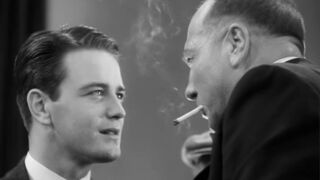
The film is notable for its raw, unpolished energy and its cast of young actors who would later find much greater fame. Anatomy of a Psycho features a very young Ronnie Burns (son of George Burns and Gracie Allen) and Pat McNulty, but it is Darrell Howe’s performance as Chet that carries the emotional weight of the narrative. Howe portrays Chet with a twitchy, unpredictable intensity that borders on the melodramatic, yet it effectively conveys the character’s mental disintegration. While the production values are lean—leaning heavily on stark, high-contrast black-and-white cinematography—the film succeeds in creating a claustrophobic atmosphere of suburban dread.
One of the more interesting aspects of the movie is its soundtrack, which features a jazzy, percussion-heavy score that underscores the "beatnik" influence of the early 60s. Anatomy of a Psycho doesn't rely on graphic violence to disturb the viewer; instead, it focuses on the psychological manipulation and the erosion of social norms within a small community. The script leans into the "angry young man" trope, presenting a protagonist who is both a victim of circumstance and a terrifying threat to those around him. This duality adds a layer of complexity to the film, making it more than just a standard revenge flick.
As the plot moves toward its inevitable, tragic conclusion, the film highlights the cycle of violence that often follows systemic failure. Though it may lack the technical polish of its big-studio contemporaries, Anatomy of a Psycho remains a compelling time capsule of its era’s anxieties. It captures the tension between the polished facade of the 1950s and the darker, more cynical decade that was just beginning to unfold. For fans of obscure cult cinema, it is a worthwhile watch that offers a sincere, if rough-around-the-edges, look at the anatomy of a fractured mind.
The film is notable for its raw, unpolished energy and its cast of young actors who would later find much greater fame. Anatomy of a Psycho features a very young Ronnie Burns (son of George Burns and Gracie Allen) and Pat McNulty, but it is Darrell Howe’s performance as Chet that carries the emotional weight of the narrative. Howe portrays Chet with a twitchy, unpredictable intensity that borders on the melodramatic, yet it effectively conveys the character’s mental disintegration. While the production values are lean—leaning heavily on stark, high-contrast black-and-white cinematography—the film succeeds in creating a claustrophobic atmosphere of suburban dread.
One of the more interesting aspects of the movie is its soundtrack, which features a jazzy, percussion-heavy score that underscores the "beatnik" influence of the early 60s. Anatomy of a Psycho doesn't rely on graphic violence to disturb the viewer; instead, it focuses on the psychological manipulation and the erosion of social norms within a small community. The script leans into the "angry young man" trope, presenting a protagonist who is both a victim of circumstance and a terrifying threat to those around him. This duality adds a layer of complexity to the film, making it more than just a standard revenge flick.
As the plot moves toward its inevitable, tragic conclusion, the film highlights the cycle of violence that often follows systemic failure. Though it may lack the technical polish of its big-studio contemporaries, Anatomy of a Psycho remains a compelling time capsule of its era’s anxieties. It captures the tension between the polished facade of the 1950s and the darker, more cynical decade that was just beginning to unfold. For fans of obscure cult cinema, it is a worthwhile watch that offers a sincere, if rough-around-the-edges, look at the anatomy of a fractured mind.
Categories:
General Audiences