
Sherlock Holmes - The Women in Green - 1945


Duration: 1:07:41
Views: 535
Submitted: 10 months ago
Submitted by:
Description:
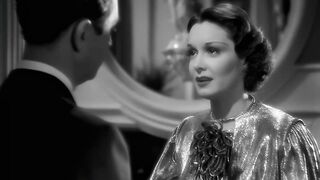
The Woman in Green, released in 1945, is the eleventh film in the Universal Pictures Sherlock Holmes series and is often cited as one of the darker, more atmospheric entries in the franchise. The plot follows Holmes and Watson as they investigate the "Finger Murders," a gruesome series of killings in London where the victims are found with their forefingers surgically removed. As the mystery unfolds, Holmes discovers that these crimes are not random acts of violence, but part of a sophisticated blackmail ring orchestrated by his arch-nemesis, Professor Moriarty (played with chilling poise by Henry Daniell). The "Woman in Green" of the title refers to the seductive Lydia Marlowe, a hypnotic accomplice who lures unsuspecting men into Moriarty's web, providing a noir-inspired layer of psychological manipulation to the detective's traditional investigative work.
The film is particularly notable for its tension-filled climax, which features a battle of wits involving hypnosis, a popular plot device in 1940s thrillers. In one of the series' most memorable sequences, Moriarty attempts to force Holmes to walk off a high-rise ledge while under a trance, testing the detective’s mental fortitude in a literal life-or-death struggle. While the movie was produced on a modest budget, director Roy William Neill utilized heavy shadows and foggy streetscapes to mask the limited sets, creating a sense of urban dread that perfectly suited the grim subject matter. This entry is also a favorite among fans for the performance of Henry Daniell, whom many consider the definitive Moriarty of the era due to his cold, intellectual detachment which served as a perfect foil to Basil Rathbone’s energetic and sharp-tongued Holmes.
Like its successor Dressed to Kill, The Woman in Green eventually fell into the public domain, which contributed to its status as one of the most frequently seen Holmes films on television and early home video. Despite being an original story rather than a direct adaptation of Sir Arthur Conan Doyle’s work, it successfully incorporates the "empty house" sniper motif from the literary canon. The film captures the peak of the Rathbone-Bruce partnership, balancing the macabre elements of the murders with the comfortable, familiar banter of the Baker Street duo. It remains a standout example of how the series managed to modernize the Victorian detective while maintaining the gothic atmosphere that made the original stories so enduring.
The film is particularly notable for its tension-filled climax, which features a battle of wits involving hypnosis, a popular plot device in 1940s thrillers. In one of the series' most memorable sequences, Moriarty attempts to force Holmes to walk off a high-rise ledge while under a trance, testing the detective’s mental fortitude in a literal life-or-death struggle. While the movie was produced on a modest budget, director Roy William Neill utilized heavy shadows and foggy streetscapes to mask the limited sets, creating a sense of urban dread that perfectly suited the grim subject matter. This entry is also a favorite among fans for the performance of Henry Daniell, whom many consider the definitive Moriarty of the era due to his cold, intellectual detachment which served as a perfect foil to Basil Rathbone’s energetic and sharp-tongued Holmes.
Like its successor Dressed to Kill, The Woman in Green eventually fell into the public domain, which contributed to its status as one of the most frequently seen Holmes films on television and early home video. Despite being an original story rather than a direct adaptation of Sir Arthur Conan Doyle’s work, it successfully incorporates the "empty house" sniper motif from the literary canon. The film captures the peak of the Rathbone-Bruce partnership, balancing the macabre elements of the murders with the comfortable, familiar banter of the Baker Street duo. It remains a standout example of how the series managed to modernize the Victorian detective while maintaining the gothic atmosphere that made the original stories so enduring.
Categories:
General Audiences